
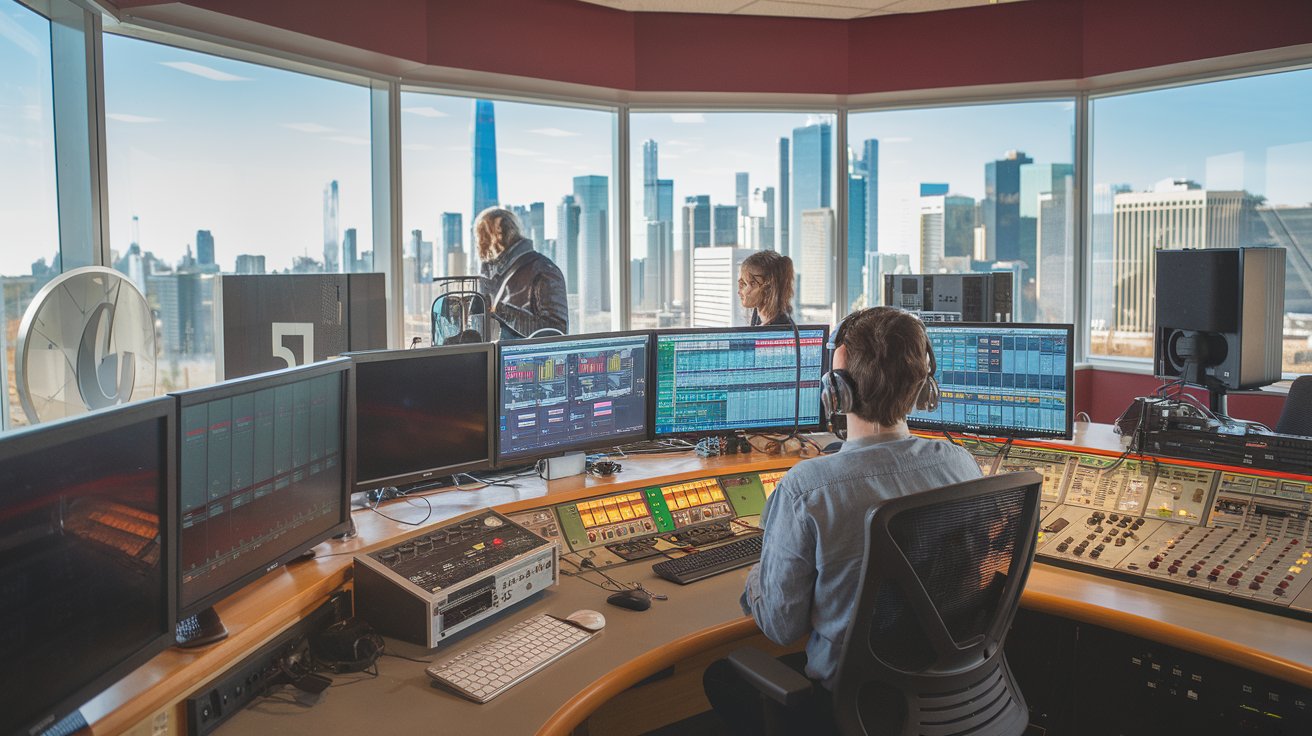
Owning a radio station in the United States requires a significant financial investment that varies dramatically based on your broadcasting format and scale. Whether you’re considering an AM/FM terrestrial station, an online radio platform, or a low-power FM operation, costs can range from $5,000 for a basic internet setup to over $2 million for a full-power commercial FM station. This comprehensive guide breaks down every expense you’ll encounter in 2026, from FCC licensing fees and broadcasting equipment to ongoing operational costs, helping you determine exactly how much it costs to own a radio station that fits your budget and goals.
Complete Breakdown of Radio Station Ownership Costs
The total cost to own a radio station depends on multiple factors including broadcast type, coverage area, equipment quality, and market size. In 2026, aspiring station owners face three primary pathways: purchasing an existing licensed radio station, applying for a new FCC license and building from scratch, or launching an internet-based operation. A small-market AM station acquisition typically ranges from $100,000 to $500,000, while major-market FM stations command prices between $5 million and $50 million depending on signal strength and audience reach.
For entrepreneurs starting fresh without purchasing existing facilities, expect initial investments between $25,000 for low-power FM operations to $1.5 million for full-power commercial stations. These figures include FCC license application fees, transmitter and antenna systems, studio equipment, tower construction or rental, and initial operating capital. Online radio stations present the most accessible entry point, requiring as little as $5,000 to $15,000 for professional-grade equipment and streaming infrastructure, though they lack the traditional broadcast reach and regulatory protections of licensed terrestrial stations.
FCC Licensing and Regulatory Costs
The Federal Communications Commission governs all terrestrial radio broadcasting in the United States, and obtaining proper licensing represents one of the most critical expenses. In 2026, the FCC application fee for a new FM or AM construction permit costs $4,895, with additional fees for license assignments and transfers. However, the real challenge isn’t the application fee but rather the scarcity of available frequencies, particularly in populated markets where spectrum space is extremely limited.
For those unable to secure a construction permit through FCC auctions or application windows, purchasing an existing station license becomes necessary. Low-power FM (LPFM) stations, which broadcast at 100 watts or less and cover approximately 3.5 miles, can sometimes be acquired for $50,000 to $150,000 in smaller markets. Full-power FM stations with coverage spanning 60-80 miles command significantly higher prices, starting around $500,000 in rural areas and exceeding $20 million in top-50 markets. AM stations typically sell for 30-50% less than comparable FM facilities due to declining listener preferences, with prices ranging from $75,000 to $3 million depending on market size and signal quality.
Broadcasting Equipment and Technology Investments
The equipment costs for radio station ownership vary dramatically based on your quality standards and broadcasting ambitions. Modern digital broadcasting requires sophisticated technology, but scalable options exist for every budget level. Understanding these equipment tiers helps you plan realistic financial expectations while ensuring professional output quality that meets audience expectations in 2026.
Entry-Level Equipment Setup ($5,000-$15,000)
An entry-level radio station setup suitable for internet broadcasting or LPFM operations includes basic but functional equipment that delivers acceptable audio quality. This configuration typically includes a budget audio mixer ($300-$800), two condenser microphones with shock mounts ($400-$600), a basic audio processor/compressor ($500-$1,200), one broadcast computer with automation software ($1,500-$2,500), basic monitoring speakers ($200-$400), and a simple furniture console ($400-$800). For internet-only operations, add streaming encoder software and hosting services ($500-$1,500 annually).
This tier works well for community radio stations, podcasters transitioning to streaming radio formats, or entrepreneurs testing concepts before major investments. While entry-level equipment lacks the sonic polish and redundancy features of professional systems, modern digital technology enables surprisingly good results when operated by knowledgeable broadcasters. Many successful internet radio stations operate profitably at this investment level, generating revenue through targeted advertising, sponsorships, and listener support programs.
Professional Broadcasting Setup ($50,000-$150,000)
A professional radio station demands commercial-grade equipment designed for 24/7 operation and superior audio quality. This mid-tier configuration includes a professional broadcast console with 12-24 channels ($8,000-$15,000), four professional studio microphones ($2,000-$4,000), professional audio processing chain including multiband processors and limiters ($5,000-$10,000), redundant broadcast computers with professional automation software ($8,000-$12,000), professional studio monitors and headphone systems ($3,000-$5,000), and custom studio furniture with acoustic treatment ($8,000-$15,000).
For terrestrial FM broadcasting, add a transmitter system ranging from $15,000 for 1-kilowatt LPFM units to $75,000 for 25-kilowatt full-power systems. Additional essential components include antenna systems ($5,000-$25,000), transmission line and hardware ($3,000-$15,000), remote control and monitoring systems ($2,000-$5,000), and emergency backup power systems ($5,000-$15,000). This professional tier represents the minimum investment for competitive commercial stations in small to medium markets, delivering broadcast quality that meets advertiser expectations and FCC technical standards.
Premium Multi-Studio Facility ($200,000-$500,000+)
Major-market radio stations and multi-format operations require premium facilities with multiple studios, advanced technology, and comprehensive backup systems. These installations feature multiple on-air studios with top-tier broadcast consoles ($15,000-$30,000 each), production studios with digital audio workstations, voiceover booths, and newsrooms equipped with professional-grade technology throughout. Premium transmitter systems with HD Radio capability range from $100,000 to $250,000, while tower construction or long-term leases add $50,000 to $500,000 depending on height requirements and location challenges.
Advanced facilities incorporate sophisticated automation systems enabling voice-tracked programming, remote broadcasting capabilities, comprehensive monitoring systems, and enterprise-grade networking infrastructure. Premium acoustic design with custom treatment, soundproofing, and architectural considerations adds $30,000 to $100,000 to construction budgets. These substantial investments enable the programming flexibility, audio quality, and operational efficiency necessary to compete effectively in major markets where advertising rates justify the capital expenditure and listener expectations demand technical excellence.
Tower Construction and Site Development Costs
Broadcasting tower infrastructure represents a substantial capital expense for terrestrial radio station owners, with costs varying dramatically based on location, height requirements, and regulatory complexities. New tower construction in 2026 ranges from $75,000 for basic 150-foot structures in rural areas to over $500,000 for 500-foot towers in urban environments where engineering challenges, zoning restrictions, and construction logistics drive costs higher. Tower height directly impacts coverage area, with taller structures enabling broader signal reach but requiring more substantial foundations, guy-wire systems, and lighting compliance.
Many station owners avoid construction expenses by leasing tower space on existing structures, paying monthly rates between $1,500 and $8,000 depending on market size, tower height, and antenna placement priority. Site development costs beyond the tower itself include land acquisition or long-term leases ($25,000-$200,000), access road construction ($10,000-$50,000), equipment building or shelter ($15,000-$75,000), electrical service installation ($5,000-$25,000), backup generator systems ($8,000-$30,000), security fencing and lighting ($5,000-$15,000), and environmental assessments required by the FCC ($3,000-$10,000). These site-related expenses often equal or exceed the tower construction costs themselves in challenging locations.
Music Licensing and Royalty Expenses
Every radio station broadcasting music must secure licenses from multiple performing rights organizations, representing a significant ongoing operational expense that scales with station revenue and market size. In the United States, broadcasters pay annual fees to ASCAP, BMI, and SESAC, which collectively represent virtually all copyrighted music. For small-market stations earning under $500,000 annually, combined licensing fees typically range from $4,000 to $12,000 per year, while major-market stations with revenues exceeding $10 million pay $100,000 to $500,000 or more based on complex formulas considering revenue, market size, and programming format.
In 2026, terrestrial broadcasters also face digital performance royalties if they stream their programming online, adding SoundExchange fees that range from $500 to $5,000+ annually depending on listener hours and advertising revenue. These streaming royalties compensate recording artists and labels, unlike traditional broadcast royalties that only compensate songwriters and publishers. Stations emphasizing talk programming reduce music licensing expenses substantially, while music-intensive formats like Top 40, country, or classic rock face the highest royalty burdens. Some operators launch internet-only stations and negotiate direct licenses with independent artists, avoiding major-label content and reducing royalty costs by 60-80%, though this limits playlist appeal to mainstream audiences.
Ongoing Operational and Staffing Costs
Monthly operational expenses for radio stations vary enormously based on market size, staffing levels, and programming ambitions, but represent the largest long-term financial commitment for station owners. A minimal automated internet radio operation might function with $2,000-$5,000 monthly expenses covering streaming costs, utilities, insurance, minimal marketing, and contract talent. In contrast, a full-service commercial FM station in a medium market requires $40,000-$100,000 monthly to cover comprehensive staffing, facilities, utilities, insurance, maintenance, marketing, and administrative expenses.
Staffing represents the largest ongoing cost category, with radio station salaries ranging from $30,000 annually for part-time board operators to $150,000+ for experienced market managers and morning show personalities in competitive markets. A typical small-market FM station operates with 6-10 employees including a general manager ($50,000-$80,000), sales manager ($45,000-$70,000 plus commission), two or three on-air personalities ($35,000-$55,000 each), news director ($40,000-$60,000), and sales representatives ($30,000-$50,000 plus commission). Major-market operations employ 20-40+ staff members with significantly higher salaries reflecting market competitiveness and cost of living. Many modern stations reduce costs through voice-tracking technology, enabling one personality to record shows for multiple time slots or even multiple stations, cutting personnel expenses by 40-60% while maintaining programming consistency.
Revenue Potential and Profitability Timeline
Understanding radio station profitability requires realistic expectations about revenue timelines and market dynamics in 2026. Small-market AM stations typically generate $100,000-$500,000 in annual advertising revenue with profit margins of 10-25% after reaching operational maturity. FM stations in comparable markets earn $300,000-$1.5 million annually with similar or slightly better margins due to stronger listener demographics and advertiser preferences. Major-market stations with established brands generate $5 million to $50 million+ in annual revenue, though operational expenses scale proportionally, maintaining profit margins typically between 20-35% for well-managed operations.
New station owners should anticipate 18-36 months before achieving profitability, as building audience share, establishing advertiser relationships, and optimizing operations requires substantial time even with experienced management. Online radio stations reach profitability faster, sometimes within 6-12 months, due to lower overhead and ability to target niche audiences nationally rather than being limited to geographic markets. Successful stations diversify revenue beyond traditional advertising, incorporating remote broadcasting for local businesses ($500-$3,000 per event), digital advertising packages ($300-$2,000 monthly), sponsored content and podcasts ($1,000-$10,000 per campaign), event production and promotion services ($2,000-$15,000 per event), and streaming platform aggregation deals. Multiple revenue streams provide stability during economic downturns and enable growth without proportionally increasing operational expenses.
Financing Options and Investment Strategies
Aspiring radio station owners access capital through various financing mechanisms, each with distinct advantages and qualification requirements. Traditional SBA 7(a) loans finance 70-80% of station acquisitions for qualified buyers, with repayment terms extending 10-15 years and interest rates in 2026 ranging from 7.5% to 11% depending on creditworthiness and collateral. Many sellers offer owner financing for 20-40% of the purchase price, enabling buyers with limited capital to acquire stations while sellers benefit from interest income and potentially favorable capital gains treatment. Banks familiar with broadcast properties provide conventional commercial loans, though they typically require substantial down payments (30-40%) and demonstrated broadcasting experience or strong management teams.
Strategic investors including broadcasting groups, private equity firms specializing in media properties, and high-net-worth individuals seeking alternative investments increasingly fund station launches and acquisitions. Partnership structures enabling multiple investors to share ownership, expenses, and potential returns provide pathways for entrepreneurs lacking full capital requirements individually. In 2026, several specialized broadcast lenders understand radio station valuation methodologies and cash flow patterns, offering more favorable terms than general-purpose lenders. Realistic financial projections demonstrating clear paths to profitability within 24-36 months significantly improve financing prospects, as lenders evaluate both collateral value and operational viability when underwriting broadcast properties.
Low-Cost Alternatives and Internet Radio Models
Entrepreneurs seeking affordable entry into radio broadcasting increasingly choose internet streaming models that eliminate FCC licensing, tower construction, and transmitter expenses while offering national or global reach. A professional internet radio station launches with $8,000-$20,000 covering quality studio equipment, streaming infrastructure, website development, and initial marketing. Monthly operational costs range from $500 to $3,000 including streaming bandwidth (scaling with listener numbers), automation software subscriptions, music licensing for webcasters, website hosting, and minimal administrative expenses.
Several internet radio entrepreneurs begin even more modestly, using home studios with $2,000-$5,000 in equipment and free or low-cost streaming platforms charging $20-$100 monthly for basic services. While these budget operations lack the polish and scalability of professional setups, they enable concept validation and audience building before major investments. Successful internet stations monetize through programmatic advertising networks paying $2-$8 per thousand listeners, sponsored content, affiliate marketing, premium subscriptions offering ad-free listening, and merchandise sales. The most successful operations identify underserved niche audiences—specific music genres, language communities, or special interests—enabling efficient marketing and strong listener loyalty that translates to sustainable revenue despite smaller absolute audience numbers compared to terrestrial broadcasters.
Critical Success Factors for Station Ownership
Successful radio station ownership requires far more than adequate financing, demanding strategic planning, market understanding, and operational excellence. The most profitable stations identify clear format niches underserved in their markets, whether geographic terrestrial markets or demographic/psychographic audiences for internet operations. Comprehensive competitive analysis revealing programming gaps, advertiser needs, and audience preferences enables new stations to launch with differentiated positioning rather than competing head-to-head with established players possessing superior resources and brand recognition.
Strong sales leadership and advertiser relationships determine financial success regardless of programming quality, as even highly-rated stations fail without effective monetization. Owners should allocate 40-50% of startup budgets to sales team recruitment, training, and support during the critical first 18 months when establishing advertiser confidence and demonstrating results. Technology leveraging including automation systems, voice-tracking, syndicated programming, and digital integration enables lean operations competing effectively against larger operators. Most importantly, realistic financial expectations with adequate capital reserves covering 12-18 months of operations prevent premature failure, as undercapitalized stations frequently cease operations just before reaching profitability thresholds. The combination of sufficient capital, differentiated programming, strong sales execution, and efficient operations creates the foundation for long-term broadcasting success in increasingly competitive media landscapes.
Related video about how much does it cost to own a radio station
This video complements the article information with a practical visual demonstration.
Your questions answered
Is owning a radio station profitable in 2026?
Radio station profitability depends heavily on market size, format selection, and operational efficiency. Small to medium market FM stations typically achieve 15-30% profit margins after 24-36 months of operation, generating $50,000 to $500,000 annual profits depending on scale. Major market stations can produce $1 million to $10 million+ in annual profits, though they require substantially larger investments. Internet radio stations reach profitability faster, often within 12-18 months, but typically generate more modest absolute profits unless achieving significant scale. Successful stations diversify revenue beyond traditional advertising, including digital services, events, and sponsored content, which improves margins and stability.
Can I start my own local radio station legally?
Yes, you can start a local radio station legally through several pathways. Low-power FM (LPFM) stations offer the most accessible entry for community broadcasters, requiring FCC applications during periodic filing windows with total costs of $25,000-$75,000 for basic operations. Alternatively, you can purchase an existing licensed station, with small market AM/FM facilities available from $100,000 to $500,000. Internet radio stations require no FCC licensing and can launch with $5,000-$15,000, though they lack traditional broadcast reach. All terrestrial options require FCC licensing, adherence to technical standards, and ongoing regulatory compliance including public file maintenance and content restrictions.
How much does it cost to run a radio station daily?
Daily operational costs vary dramatically by station type and scale. A minimal automated internet radio station costs $65-$165 daily ($2,000-$5,000 monthly) covering streaming, utilities, and basic maintenance. Small-market terrestrial stations with limited staffing require $650-$1,650 daily ($20,000-$50,000 monthly) including part-time staff, utilities, transmitter power, insurance, and music licensing. Full-service commercial FM stations in medium markets spend $1,300-$3,300 daily ($40,000-$100,000 monthly) covering comprehensive staffing, facilities, marketing, and administrative expenses. Major market operations with extensive staff and facilities require $5,000-$15,000+ daily to maintain competitive programming and sales operations.
What is the cheapest way to start a radio station?
The most affordable path to radio station ownership is launching an internet-based operation requiring no FCC licensing or tower infrastructure. A basic professional internet radio station starts with $5,000-$8,000 for entry-level equipment including a mixer, microphones, computer, and streaming setup, plus $500-$1,000 monthly operational costs for streaming bandwidth, automation software, and music licensing. Even more budget-conscious entrepreneurs begin with $2,000-$3,000 in used equipment and free streaming platforms, though sound quality and features are limited. This approach enables audience building and revenue generation while saving capital for equipment upgrades. Some operators eventually transition to terrestrial LPFM licenses after establishing programming viability and community support through internet operations.
Do I need special qualifications to own a radio station?
The FCC requires no specific educational credentials or broadcasting experience to own a radio station license, though certain disqualifications apply including felony convictions, foreign ownership restrictions (no more than 25% foreign ownership), and character issues. However, practical broadcasting experience or hiring experienced management significantly improves success probability. Many first-time owners partner with broadcast veterans, hire consultants for station launch ($5,000-$25,000), or complete broadcasting courses offered by state associations and trade organizations. Understanding FCC regulations, advertising sales, programming strategy, and technical operations proves essential for profitability. Banks and investors often require demonstrated media experience or strong management teams when financing station acquisitions or launches.
How long does it take to buy an existing radio station?
Purchasing an existing radio station typically requires 6-12 months from initial negotiations to closing, with FCC approval representing the longest component. After negotiating purchase terms and executing asset purchase agreements (1-2 months), buyers file FCC license transfer applications requiring extensive documentation and public notice periods. The FCC review process takes 3-6 months for straightforward transactions without complications, though controversial applications or markets requiring additional scrutiny extend timelines to 9-12 months. Financing approval adds 30-90 days depending on lender type and buyer qualifications. Expedited transactions occasionally close in 4-5 months when all parties cooperate efficiently, proper documentation is prepared in advance, and no FCC concerns arise. Budget $15,000-$40,000 for legal fees, engineering studies, appraisals, and consulting services during the acquisition process.
| Station Type | Initial Investment Range | Monthly Operating Costs | Profit Timeline |
|---|---|---|---|
| Internet Radio (Basic) | $5,000 – $15,000 | $500 – $2,000 | 6-12 months |
| LPFM Community Station | $25,000 – $75,000 | $3,000 – $8,000 | 18-24 months |
| Small Market AM/FM | $100,000 – $500,000 | $15,000 – $40,000 | 24-36 months |
| Medium Market FM | $500,000 – $3,000,000 | $40,000 – $100,000 | 24-36 months |
| Major Market FM | $5,000,000 – $50,000,000+ | $150,000 – $500,000+ | 36-48 months |