Radio broadcasting is the transmission of audio content to dispersed audiences through electromagnetic radio waves or digital streaming platforms. In 2026, radio broadcasting in America reaches over 272 million listeners weekly, combining traditional terrestrial signals with modern internet radio technologies. This comprehensive guide explains how radio broadcasting works, the different types available, and why it remains a vital communication medium in the United States despite the digital revolution transforming media consumption patterns.
The Fundamentals of Radio Broadcasting
Radio broadcasting involves converting audio signals into electromagnetic waves that travel through the atmosphere to reach receivers in homes, vehicles, and mobile devices. The process begins at a radio station where content creators produce programming, including music, talk shows, news, and advertisements. This audio content is then transmitted using specialized equipment that modulates the signal onto a carrier wave at a specific frequency measured in kilohertz or megahertz.
The Federal Communications Commission regulates all radio broadcasting in America, assigning specific frequencies to stations to prevent interference and ensure quality transmission. As of 2026, the United States operates approximately 15,445 licensed radio stations across commercial and non-commercial categories. The importance of radio broadcasting extends beyond entertainment, serving critical roles in emergency communications, public information dissemination, and community connection. During natural disasters, radio remains the most reliable communication method, with 91% of Americans able to access emergency broadcasts even when internet and cellular networks fail.
How Does Radio Broadcasting Work
Understanding how radio broadcasting works requires knowledge of signal transmission and reception processes. At the transmission source, audio signals are converted into electrical impulses that modulate a carrier wave through either amplitude modulation or frequency modulation techniques. These modulated waves are then amplified to thousands of watts and transmitted through antenna systems designed to maximize coverage area and signal strength.
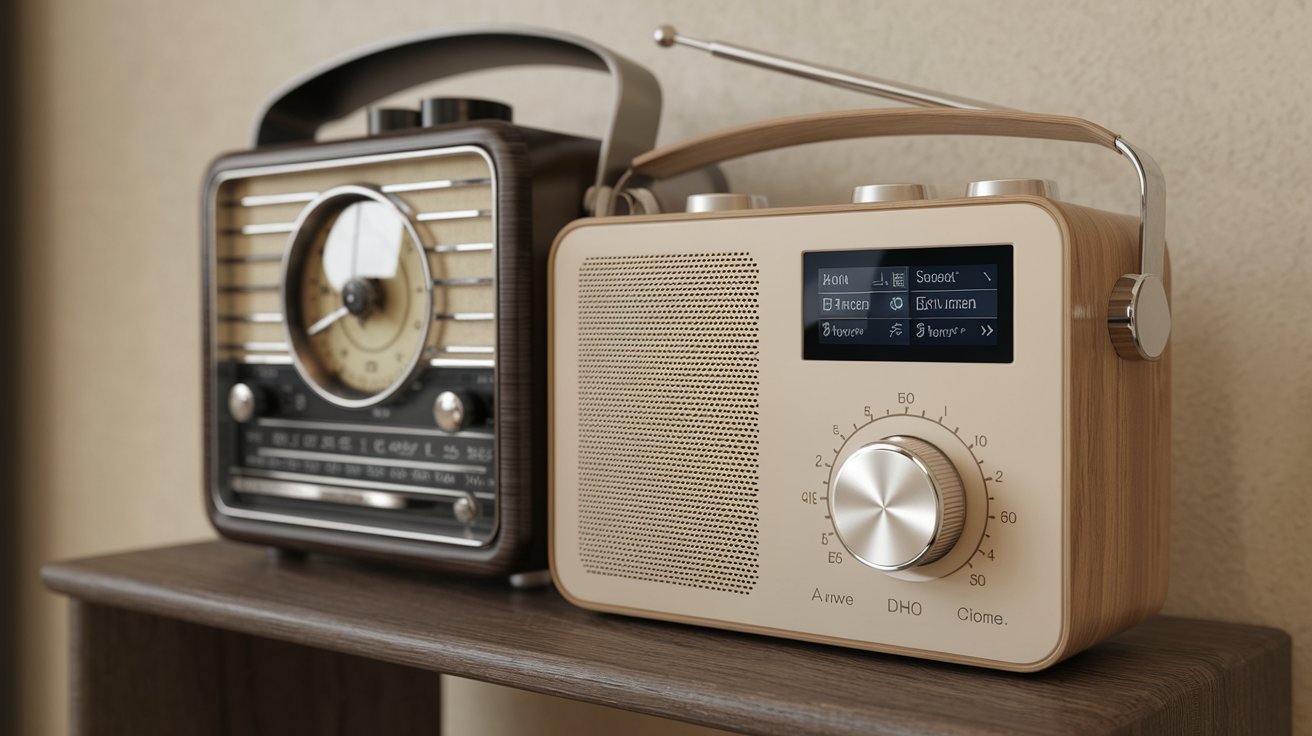
The receiver, whether a traditional radio, smartphone, or connected device, captures these electromagnetic waves through its antenna. The tuner circuit isolates the desired frequency from the thousands of signals simultaneously present in the environment. Demodulation separates the audio information from the carrier wave, and amplification circuits boost the signal strength before sending it to speakers. In 2026, advanced radio broadcasting systems incorporate digital signal processing that reduces noise, improves audio quality, and enables features like song tagging and traffic data transmission.
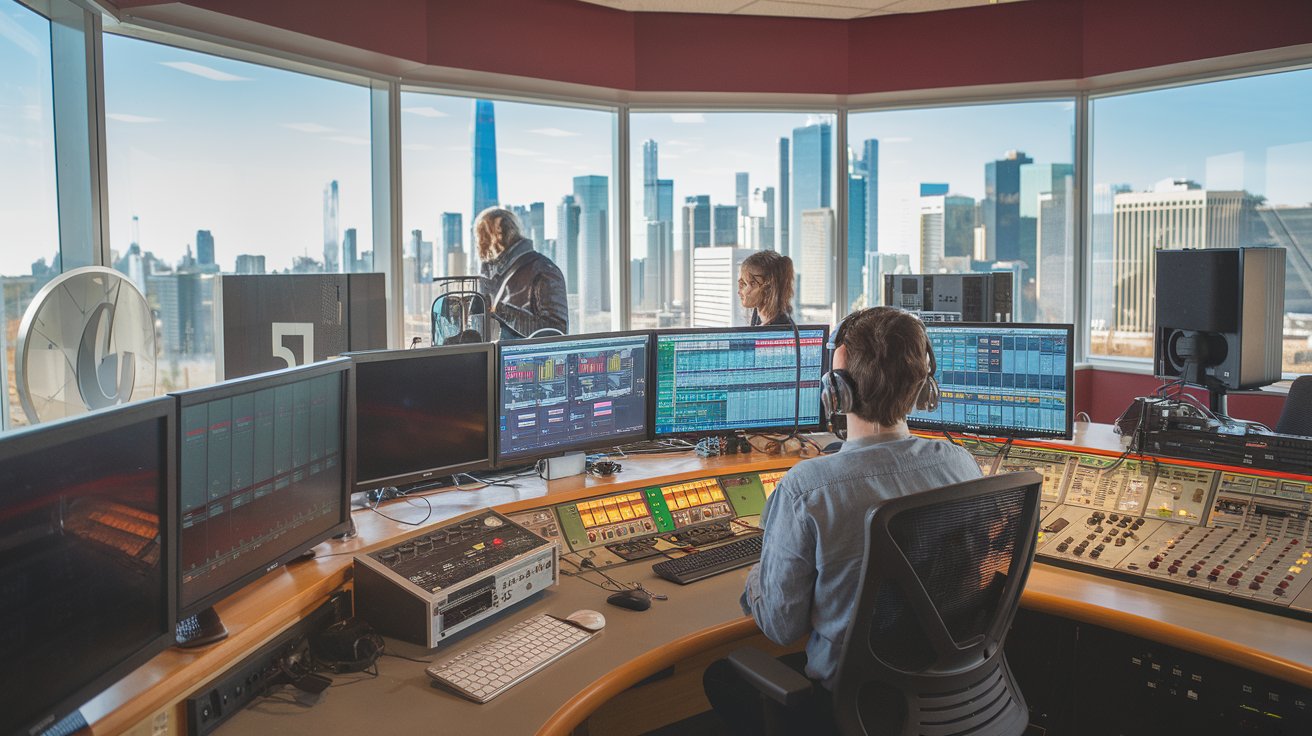
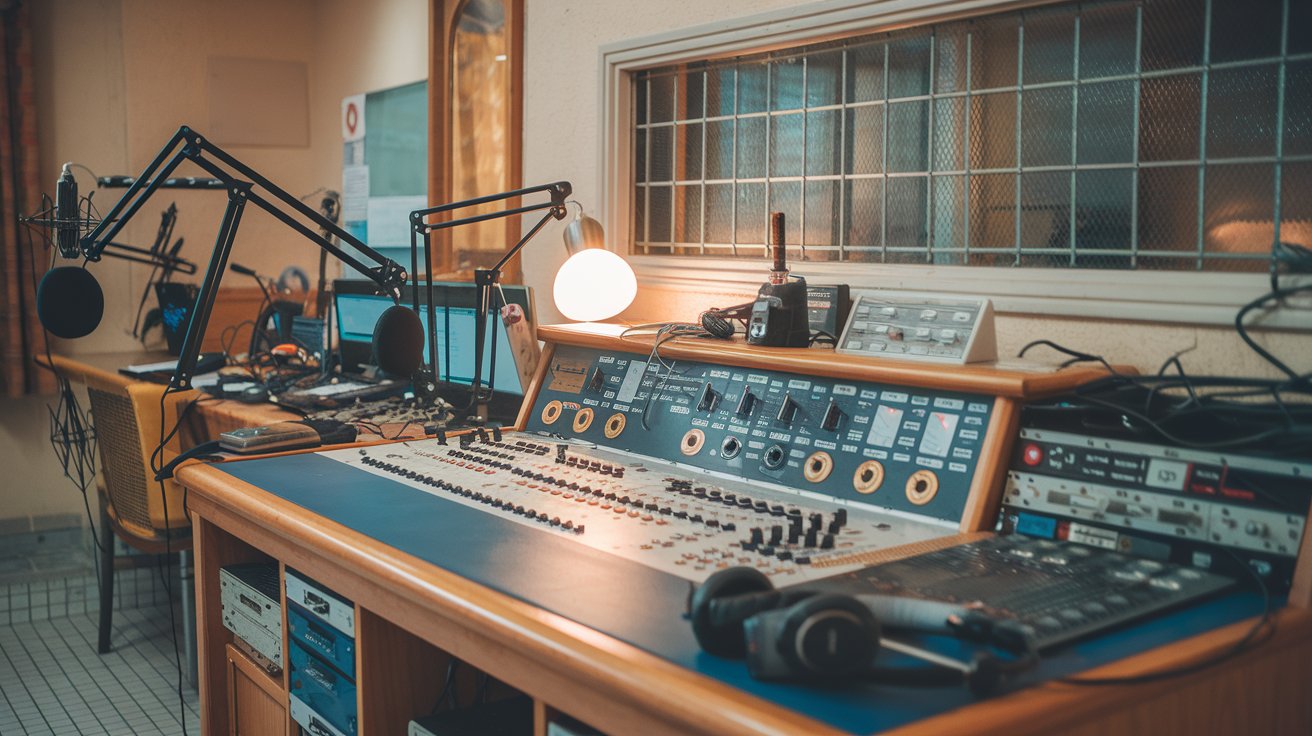
Modern radio station operations utilize sophisticated automation systems, digital audio workstations, and cloud-based content management platforms. Broadcasters can stream simultaneously to traditional transmitters and internet platforms, reaching audiences through multiple channels. The technical infrastructure supporting a single station includes transmitters, studio equipment, audio processors, backup power systems, and monitoring equipment ensuring 24/7 operation compliance with FCC regulations governing broadcast standards.
Types of Radio Broadcasting
The landscape of radio broadcasting encompasses multiple transmission technologies, each offering distinct advantages for different applications and audience preferences. Understanding these types of radio broadcasting helps listeners choose the most appropriate service for their needs and helps content creators select the optimal distribution method for their programming goals.
AM Radio Broadcasting
AM radio uses amplitude modulation to transmit signals on the medium wave band between 540 and 1700 kilohertz in the United States. This technology excels at long-distance transmission, with signals capable of traveling hundreds or even thousands of miles, particularly at night when ionospheric conditions improve propagation. As of 2026, approximately 4,585 AM stations operate across America, primarily focusing on talk radio, news, and sports programming where audio fidelity is less critical than content delivery.
The primary advantage of AM broadcasting is its extensive coverage area with relatively low power requirements and its ability to penetrate buildings and terrain obstacles. However, AM signals are more susceptible to electrical interference from power lines, thunderstorms, and electronic devices. Modern AM stations increasingly employ digital HD Radio technology to improve audio quality while maintaining compatibility with traditional receivers, addressing the historical limitation of narrower bandwidth and lower sound quality compared to FM transmission.
FM Radio Broadcasting
FM radio operates through frequency modulation on the VHF band between 88.1 and 108.1 megahertz, providing superior audio quality with minimal interference from electrical sources. This type of radio broadcasting dominates music programming, with approximately 10,860 FM stations serving the United States in 2026. The wider bandwidth allocation of 200 kilohertz per channel enables high-fidelity stereo sound reproduction that satisfies quality-conscious listeners and music enthusiasts.
The line-of-sight propagation characteristics of FM broadcasting limit coverage areas compared to AM, typically reaching 30-60 miles from the transmitter depending on power output and antenna height. This localized coverage pattern makes FM ideal for serving specific communities and metropolitan areas. Many FM stations broadcast HD Radio subchannels, effectively multiplying their programming capacity by offering two or three additional digital-only streams alongside the main analog signal, providing listeners with specialized content options without requiring additional spectrum allocation.
Digital Audio Broadcasting
Digital Audio Broadcasting represents the evolution of terrestrial radio toward all-digital transmission systems. While DAB has achieved widespread adoption in Europe and other international markets, the United States has implemented HD Radio technology as its digital broadcasting standard. HD Radio combines digital and analog signals, allowing gradual transition without rendering existing receivers obsolete. As of 2026, over 2,400 American radio stations broadcast in HD Radio format, offering improved audio quality, additional programming channels, and data services displaying song information, artist details, and emergency alerts on compatible receivers.
The technical advantages of digital broadcasting include resistance to multipath interference that causes signal fading in traditional analog systems, consistent audio quality throughout the coverage area until signal strength becomes insufficient, and spectrum efficiency enabling multiple program streams within a single frequency allocation. Approximately 55 million vehicles sold in the United States between 2018 and 2026 include factory-installed HD Radio receivers, significantly expanding the potential audience for digital broadcast content and justifying continued investment in transmission infrastructure upgrades.
Internet Radio Broadcasting
Internet radio delivers audio content through data networks rather than electromagnetic radio waves, representing a fundamental departure from traditional broadcasting models. This technology enables anyone with streaming equipment and internet connectivity to reach global audiences without FCC licensing requirements or expensive transmission infrastructure. In 2026, over 87,000 internet radio stations operate worldwide, with approximately 28,000 based in the United States, offering unprecedented diversity in programming formats, languages, and niche content serving specialized audience interests.
The importance of internet radio broadcasting continues growing as connected device adoption expands and mobile data networks achieve near-universal coverage across America. Smart speakers, smartphones, connected vehicles, and streaming devices provide convenient access to thousands of stations through platforms like TuneIn, iHeartRadio, and station-specific applications. Unlike terrestrial broadcasting, internet radio offers interactive features including song skipping, personalized recommendations, on-demand content access, and detailed listener analytics helping broadcasters understand audience behavior and preferences with unprecedented precision.
Comparing Radio Broadcasting Technologies
Evaluating different radio broadcasting technologies requires understanding the trade-offs between coverage, audio quality, infrastructure costs, and accessibility. AM radio provides the most extensive geographic coverage with signals traveling hundreds of miles, making it ideal for rural areas and emergency broadcasting, but delivers the lowest audio quality with susceptibility to interference. FM radio offers excellent sound quality suitable for music programming with moderate coverage typically spanning 30-60 miles, requiring more transmitters to cover the same area as a single AM station but providing interference-resistant reception.
Digital Audio Broadcasting through HD Radio technology combines the reliability of terrestrial transmission with digital audio quality and additional channel capacity, though it requires compatible receivers that represent only 18% of the total radio device market in 2026. Internet radio delivers unlimited global reach with superior audio quality and interactive features, but depends on network connectivity and consumes mobile data, making it less suitable for emergency communications and areas with limited broadband infrastructure. Traditional broadcasters increasingly adopt hybrid strategies, transmitting simultaneously through terrestrial and internet platforms to maximize audience reach across different consumption preferences and situations.
Radio Broadcasting in America Today
The state of radio broadcasting in America reflects both continuity and transformation as the industry adapts to changing media consumption patterns while leveraging its unique strengths. Despite competition from streaming services and podcasts, terrestrial radio reaches 92% of Americans weekly, demonstrating remarkable resilience and continued relevance. The medium’s accessibility requiring no subscriptions or internet connectivity, its local focus providing community-specific content and emergency information, and its companion nature fitting seamlessly into daily routines contribute to sustained listenership across demographic groups.
Revenue models for radio stations have diversified beyond traditional advertising to include digital advertising, events, podcasting, and content syndication. Total radio advertising revenue in the United States reached $17.4 billion in 2025, with projections indicating continued stability through 2026 despite overall media fragmentation. The integration of broadcast radio with digital platforms creates enhanced value propositions for advertisers seeking both broad reach and targeted engagement opportunities.
Regulatory developments continue shaping radio broadcasting operations, with the FCC focusing on spectrum efficiency, ownership concentration limits, and emergency alert system modernization. The industry faces challenges including aging listener demographics, competition for in-car listening from smartphone integration, and talent acquisition as traditional broadcasting careers compete with digital media opportunities. However, innovations in content creation, audience measurement, and cross-platform distribution position radio to remain a significant media force throughout the coming decade.
Starting Your Radio Broadcasting Journey
Aspiring broadcasters wondering how to broadcast radio content have multiple pathways depending on their goals, resources, and target audiences. Traditional terrestrial broadcasting requires FCC licensing, significant capital investment in transmission equipment, and compliance with technical and content regulations. The application process for a broadcast license involves demonstrating financial qualifications, technical competency, and serving public interest objectives. Construction permits and equipment costs for a small FM station typically range from $150,000 to $500,000, with ongoing operational expenses including staff salaries, content licensing, utilities, and maintenance.
Internet radio broadcasting offers a dramatically lower barrier to entry, with startup costs ranging from $50 per month for basic streaming services to several thousand dollars for professional-grade equipment and hosting. Platforms like Live365, Radio.co, and Spreaker provide turnkey solutions handling streaming infrastructure, allowing creators to focus on content production. Essential equipment includes a quality microphone, audio interface, computer with broadcasting software, and reliable internet connectivity with sufficient upload bandwidth to support simultaneous listener streams.
Essential Broadcasting Equipment
Successful radio broadcasting requires specific technical equipment ensuring professional audio quality and reliable transmission. The microphone represents the most critical component, with industry-standard models like the Shure SM7B, Electro-Voice RE20, and Rode Procaster offering the broadcast-quality sound listeners expect. Audio interfaces convert analog microphone signals to digital format, with options ranging from entry-level Focusrite Scarlett units to professional-grade equipment from Universal Audio and RME.
Broadcasting software manages the entire radio station workflow, including audio playback, live mixing, automation, and streaming output. Popular solutions include RadioDJ for free automated broadcasting, SAM Broadcaster for comprehensive features, and Mixxx for open-source versatility. Professional operations often employ systems like WideOrbit Automation or RCS Zetta integrating content management, advertising insertion, music scheduling, and FCC compliance logging. Supporting equipment includes audio processors optimizing sound for broadcast transmission, backup systems ensuring continuous operation during equipment failures, and monitoring tools verifying stream quality and transmission compliance.
Content Creation and Programming
Compelling content forms the foundation of successful radio broadcasting, requiring careful planning, preparation, and execution. Effective radio broadcasting scripts balance structure with spontaneity, providing frameworks ensuring key information delivery while allowing personality and authenticity to shine through. Formats vary widely depending on programming type, with talk radio emphasizing preparation of discussion topics, research supporting informed commentary, and guest coordination, while music programming focuses on playlist curation, tempo pacing, and seamless transitions maintaining listener engagement.
The development of a distinctive station identity through consistent formatting, recognizable personalities, and targeted content selection differentiates successful radio stations in competitive markets. Audience research reveals listener preferences, optimal scheduling for different programming types, and content gaps representing opportunities. In 2026, successful broadcasters integrate social media engagement, podcast repurposing of radio content, and interactive features encouraging audience participation and building community around programming. The importance of radio broadcasting as a platform for diverse voices, local perspectives, and specialized content continues driving creators to develop innovative programming serving underserved audiences and niche interests.
The Cost of Radio Broadcasting
Understanding the financial requirements of radio broadcasting enables realistic planning and sustainable operations. For terrestrial AM or FM stations, initial capital requirements include FCC application fees, legal and engineering consultation, land acquisition or tower leasing, transmitter and antenna systems, studio construction and equipment, and operational reserves. A minimal commercial FM station might require $250,000 to $500,000 in startup capital, while major market stations in cities like New York, Los Angeles, or Chicago involve multi-million dollar investments in licenses alone.
Ongoing operational costs for traditional radio stations include personnel salaries representing typically 35-45% of total expenses, music licensing fees paid to ASCAP, BMI, and SESAC, facility costs including rent and utilities, equipment maintenance and upgrades, marketing and promotion, and administrative expenses. Monthly operational budgets for small stations range from $15,000 to $40,000, while major market operations exceed $500,000 monthly. Revenue generation through advertising sales, underwriting, grants, and events must exceed these costs for financial sustainability.
Internet radio broadcasting dramatically reduces financial barriers with monthly streaming costs ranging from $10 for limited listener capacity to $500 for professional hosting supporting thousands of simultaneous listeners. Music licensing through services like Live365 or direct agreements with performing rights organizations adds $300 to $2,000 monthly depending on audience size. Equipment investments of $500 to $5,000 provide professional-quality production capabilities. This accessibility has democratized radio broadcasting, enabling individuals and small organizations to reach global audiences with modest financial commitments, though building substantial listenership still requires consistent quality content and effective marketing strategies.
Radio Broadcasting Regulations and Licensing
The regulatory framework governing radio broadcasting in America ensures orderly spectrum use, technical standards compliance, and content guidelines protecting public interest. The Federal Communications Commission administers all aspects of broadcast licensing, spectrum allocation, and rule enforcement. Obtaining a broadcast license requires demonstrating technical qualifications, financial stability, and character qualifications. The application process involves competitive bidding for available frequencies, environmental and historical preservation reviews, and public comment periods allowing community input on proposed stations.
Licensed radio stations must comply with technical parameters limiting transmitter power, antenna specifications, and operating hours to prevent interference with other stations. Content regulations prohibit obscenity, require identification announcements, mandate equal employment opportunity compliance, and specify children’s programming requirements for certain licensees. Political broadcasting rules ensure equal opportunities for candidates and proper sponsorship identification. Violations can result in fines, license suspension, or revocation depending on severity and compliance history.
Internet radio broadcasting operates under different regulatory frameworks, exempt from FCC licensing but subject to copyright laws requiring mechanical licenses for recorded music and performance licenses from ASCAP, BMI, and SESAC. The Digital Millennium Copyright Act establishes compulsory licensing for webcasters through SoundExchange, collecting statutory royalties distributed to performers and copyright holders. Rates in 2026 range from $0.0025 to $0.0027 per performance depending on broadcaster revenue, with minimum annual fees for smaller operations. Understanding these legal requirements prevents costly violations and ensures sustainable operations complying with intellectual property protections.
The Future of Radio Broadcasting
The evolution of radio broadcasting continues accelerating as technology convergence, changing consumption patterns, and competitive pressures drive innovation. Hybrid radio systems combining terrestrial transmission with internet connectivity enable enhanced features including personalized content, time-shifting capabilities, and detailed analytics previously impossible with traditional broadcast-only models. Vehicle manufacturers increasingly integrate comprehensive connected audio platforms providing seamless access to AM/FM radio, satellite radio, streaming services, and podcasts through unified interfaces, maintaining radio’s primacy in automotive environments while expanding competition for listener attention.
Artificial intelligence applications are transforming radio station operations through automated content curation, voice synthesis creating virtual personalities, predictive analytics optimizing programming schedules, and personalized listening experiences adapting to individual preferences. These technologies enable smaller operations to deliver professional-quality programming competing with major market stations. However, the fundamental importance of radio broadcasting remains rooted in human connection, local relevance, and trusted information sources during emergencies when other communication systems fail.
Industry projections indicate terrestrial radio will retain significant audience share through 2030 and beyond, with approximately 240 million Americans continuing regular radio consumption. Success requires embracing multi-platform distribution, developing distinctive content differentiated from algorithmically-generated playlists, leveraging the unique advantages of live, local, and personality-driven programming, and maintaining the accessibility and reliability that have sustained radio relevance for over a century. The democratization of broadcasting through internet platforms ensures continued innovation and diversity in voices, formats, and perspectives serving audiences increasingly fragmented across specialized interests and communities.
Related video about what is radio broadcasting
This video complements the article information with a practical visual demonstration.
Everything you need to know about what is radio broadcasting
What are the four types of radio broadcasting?
The four main types of radio broadcasting are AM (Amplitude Modulation) radio operating between 540-1700 kHz with extensive coverage ideal for talk and news formats, FM (Frequency Modulation) radio broadcasting between 88.1-108.1 MHz providing superior audio quality for music programming, Digital Audio Broadcasting including HD Radio technology offering multiple channels and enhanced sound quality, and Internet Radio delivering global reach through data networks without traditional transmission limitations. Each type serves different purposes, with AM excelling at long-distance coverage, FM providing high-fidelity local service, digital broadcasting combining terrestrial reliability with improved quality, and internet radio offering unlimited content diversity and interactive features.
How does radio broadcasting work?
Radio broadcasting works by converting audio signals into electromagnetic waves transmitted through the atmosphere to receivers. At the radio station, audio content is modulated onto a carrier wave at a specific frequency using either amplitude or frequency modulation techniques. The modulated signal is amplified to thousands of watts and transmitted through antenna systems. Receivers capture these electromagnetic waves, isolate the desired frequency through tuner circuits, demodulate the audio information from the carrier wave, and amplify the signal for speaker output. Modern systems incorporate digital signal processing for improved quality, while internet radio broadcasts through data networks using streaming protocols rather than electromagnetic waves, delivering audio directly to connected devices without traditional transmission infrastructure.
What radio station is Ryan Seacrest on?
Ryan Seacrest hosts American Top 40, a nationally syndicated radio countdown show broadcast on over 280 radio stations across the United States, typically airing on Top 40/CHR format FM stations in major markets. He also hosts On Air with Ryan Seacrest, a morning show that previously aired on KIIS-FM in Los Angeles and is syndicated to multiple markets. As of 2026, Seacrest’s programming reaches approximately 20 million weekly listeners through various radio stations that contract for his syndicated content. The specific station carrying his shows varies by market, with local affiliates in each city choosing to air his programming based on format compatibility and audience appeal. Listeners can check their local Top 40 or contemporary hit radio stations for broadcast schedules.
What is the importance of radio broadcasting today?
Radio broadcasting remains critically important in 2026, reaching 92% of Americans weekly and serving as the most reliable emergency communication system during natural disasters when internet and cellular networks fail. Radio provides free, accessible content requiring no subscriptions or internet connectivity, making it essential for underserved communities and rural areas with limited broadband access. The medium delivers local news, weather, traffic information, and community programming unavailable through national streaming platforms. Radio’s companion nature fits seamlessly into daily routines, particularly during commutes where 72% of listening occurs in vehicles. The industry generates $17.4 billion in annual advertising revenue, supports thousands of jobs, and provides platforms for diverse voices and specialized content serving niche audiences. Radio broadcasting also maintains cultural significance through music discovery, live event coverage, and preservation of local identity in increasingly globalized media environments.
How much does it cost to start a radio station?
Starting a traditional terrestrial radio station requires $150,000 to $500,000 for small market operations, covering FCC licensing, transmitter and antenna equipment, studio construction, and initial operating capital. Major market stations involve multi-million dollar investments primarily due to license acquisition costs. Ongoing monthly expenses range from $15,000 to $40,000 for small stations, including personnel, music licensing, facilities, and maintenance. In contrast, internet radio broadcasting dramatically reduces barriers with startup costs as low as $500 for basic equipment and $10 to $500 monthly for streaming services depending on listener capacity. Professional internet radio operations typically invest $2,000 to $5,000 in quality equipment and $300 to $2,000 monthly for streaming, licensing, and hosting. The choice between terrestrial and internet broadcasting depends on budget, target audience, coverage goals, and regulatory compliance willingness.
Do I need a license for internet radio broadcasting?
Internet radio broadcasting does not require FCC licensing, but requires music licensing for legal operation. Broadcasters must obtain mechanical licenses for recorded music and performance licenses from performing rights organizations ASCAP, BMI, and SESAC. The Digital Millennium Copyright Act establishes compulsory licensing through SoundExchange, which collects statutory royalties distributed to performers and rights holders. As of 2026, webcasting rates range from $0.0025 to $0.0027 per performance with minimum annual fees for small operations. Some platforms like Live365 include licensing in their service fees, simplifying compliance. Original content without copyrighted music eliminates licensing requirements. While internet radio avoids FCC regulation, broadcasters must comply with copyright law, and stations generating revenue face additional reporting and payment obligations. Consulting with media attorneys ensures proper licensing and legal compliance before launching operations.
| Broadcasting Type | Coverage & Quality | Cost & Requirements | Best Use Case |
|---|---|---|---|
| AM Radio | Hundreds of miles coverage, basic audio quality, interference-prone | $200,000-$400,000 startup, FCC license required, moderate operational costs | Talk radio, news, sports, rural coverage, emergency broadcasting |
| FM Radio | 30-60 miles coverage, high-fidelity stereo sound, line-of-sight propagation | $250,000-$500,000 startup, FCC license required, higher operational costs | Music programming, local community service, urban markets |
| HD Radio | Same as AM/FM with digital quality, multiple channels, data services | $50,000-$150,000 upgrade cost, requires existing license, specialized equipment | Enhanced quality, additional programming channels, modern audiences |
| Internet Radio | Global reach, superior audio quality, connectivity-dependent | $500-$5,000 startup, $10-$500 monthly, music licensing required, no FCC license | Niche content, global audiences, low-budget operations, specialized programming |