Starting an internet radio station legally in the United States requires understanding copyright laws, obtaining proper licenses, and choosing the right broadcasting platform. In 2026, approximately 73% of Americans listen to online radio monthly, creating unprecedented opportunities for new broadcasters. This comprehensive guide walks you through every legal requirement, from music licensing to equipment setup, ensuring your station operates within US federal regulations while reaching your target audience effectively.
What Is an Internet Radio Station and How Does It Work
An internet radio station is a digital audio service that transmits programming over the internet rather than traditional radio waves. Unlike terrestrial FM or AM stations, internet radio bypasses the need for expensive transmission towers and FCC broadcast licenses. In 2026, over 87,000 online radio stations operate in the United States, streaming music, talk shows, and specialized content to global audiences. The technology uses streaming protocols like Icecast or Shoutcast to deliver audio files to listeners through computers, smartphones, and smart speakers.
The fundamental difference between internet radio and terrestrial broadcasting lies in accessibility and regulation. Traditional radio requires FCC licenses costing $500,000 to several million dollars, while internet stations can launch for as little as $50 monthly. However, both require music licensing compliance. Internet stations reach unlimited geographic areas without signal interference, operating 24/7 with minimal infrastructure. The average US listener now spends 4.2 hours daily with streaming audio, making online radio increasingly viable for content creators and businesses.
Essential Legal Requirements for Internet Radio Stations
Operating a legal internet radio station in the United States mandates compliance with copyright law through statutory licenses. The Digital Millennium Copyright Act (DMCA) establishes specific requirements for streaming recorded music. Your station must obtain licenses from three primary organizations: SoundExchange for sound recording copyrights, and either ASCAP, BMI, or SESAC for musical composition rights. In 2026, SoundExchange fees start at approximately $500 annually for small webcasters streaming fewer than 159,140 aggregate tuning hours yearly.
The Copyright Royalty Board sets rates that vary based on your station’s commercial status and listener hours. Non-commercial educational webcasters pay reduced rates around $500 per year, while commercial stations pay per-performance fees ranging from $0.0017 to $0.0025 per song per listener. You must also register with the Copyright Office and file monthly reports of songs played. Failure to obtain proper licensing can result in fines up to $150,000 per copyright violation. Additionally, if you broadcast talk content, you may need additional clearances for interviews or third-party material.
Music Licensing Costs and Requirements
Understanding music licensing costs is crucial for budgeting your internet radio station. In 2026, most small to medium stations pay between $2,000 and $5,000 annually in combined licensing fees. SoundExchange covers payments to artists and record labels for sound recordings, while performance rights organizations (PROs) like ASCAP, BMI, and SESAC collect royalties for songwriters and publishers. Each PRO requires a separate license, though many stations negotiate blanket licenses covering their entire catalog.
SoundExchange Licensing for Sound Recordings
SoundExchange licensing is mandatory for all internet radio stations playing recorded music in the United States. The organization administers statutory licenses on behalf of performing artists and record labels. For 2026, the Small Webcaster Settlement Agreement offers reduced rates for qualifying stations earning less than $1.25 million annually. Under this agreement, stations pay either 14% of gross revenue or $500 annually, whichever is greater. Commercial stations not qualifying for small webcaster rates pay standard statutory rates calculated per performance.
Registration with SoundExchange requires detailed station information including expected listener hours, revenue sources, and streaming technology. You must submit monthly reports of performance listing every song played with artist, title, album, and timestamp data. Most broadcasting software automates this reporting process. Late or missing reports can result in compliance issues and potential license suspension. The average processing time for new applications in 2026 is 15-20 business days.
Performance Rights Organization Licenses
Securing PRO licenses from ASCAP, BMI, and SESAC protects you from copyright infringement claims related to musical compositions. These organizations represent different catalogs of songwriters and publishers, requiring stations to license all three for comprehensive coverage. In 2026, ASCAP charges internet radio stations annual fees starting at $386 for services generating under $30,000 in annual revenue. BMI’s internet radio license begins at approximately $456 annually for similar revenue brackets, while SESAC negotiates individual agreements typically ranging from $300 to $600 for small stations.
Each PRO offers different licensing tiers based on factors including revenue, listener hours, and commercial versus non-commercial status. Most stations opt for blanket licenses allowing unlimited use of the entire catalog. Alternative per-program licenses exist but rarely prove cost-effective for music-focused stations. You can apply for PRO licenses online, with approval typically granted within 10-15 business days. Many stations budget approximately $1,200-$1,500 annually for combined PRO licensing fees.
Choosing Your Internet Radio Station Format and Niche
Selecting a focused station format significantly impacts your success in the crowded 2026 internet radio landscape. Research shows specialized stations targeting specific demographics or music genres achieve 340% higher listener retention than general-format stations. Popular formats include classic rock, indie music, jazz, talk radio, sports commentary, news analysis, and foreign language programming. The most successful stations identify underserved audiences within their geographic or interest-based communities.
Your target audience determines programming decisions, advertising potential, and content licensing needs. Stations focusing exclusively on talk, news, or original content avoid music licensing altogether, reducing annual costs by $2,000-$5,000. Music stations should analyze streaming data showing that in 2026, listeners prefer curated playlists over random shuffles, with 68% of online radio consumers valuing expert music selection. Consider your personal expertise, available content resources, and monetization strategy when defining your niche. Successful stations typically require 6-12 months of consistent broadcasting to build sustainable audiences.
Essential Equipment and Software for Internet Broadcasting
Launching a professional internet radio station requires specific hardware and software investments ranging from $300 to $3,000 depending on quality standards. At minimum, you need a reliable computer with at least 8GB RAM and a multi-core processor, a quality USB microphone ($80-$300), headphones ($50-$200), and audio interface if using professional microphones. Many successful stations in 2026 operate entirely with consumer-grade equipment, proving expensive broadcast gear isn’t mandatory for quality output.
Broadcasting Software Solutions
Modern broadcasting software automates playlist management, scheduling, and stream encoding. Popular solutions for 2026 include RadioDJ (free, Windows), Mixxx (free, cross-platform), SAM Broadcaster Cloud ($9-$299/month), and RadioBOSS ($109-$529 one-time). Free options like RadioDJ provide professional features including automated playlists, voice tracking, and metadata streaming. Cloud-based solutions eliminate the need for dedicated broadcast computers, allowing remote management from any device.
Essential software features include reliable audio encoding, playlist automation, metadata broadcasting for song titles, and integration with streaming servers. Most software generates automated reports for SoundExchange compliance, saving hours of manual tracking. Professional stations often use separate computers for live broadcasting and automated programming. Your software choice should support common audio formats (MP3, AAC, OGG) and stream to multiple servers simultaneously for redundancy. The average learning curve for broadcast software ranges from 2-4 weeks for basic proficiency.
Audio Equipment and Studio Setup
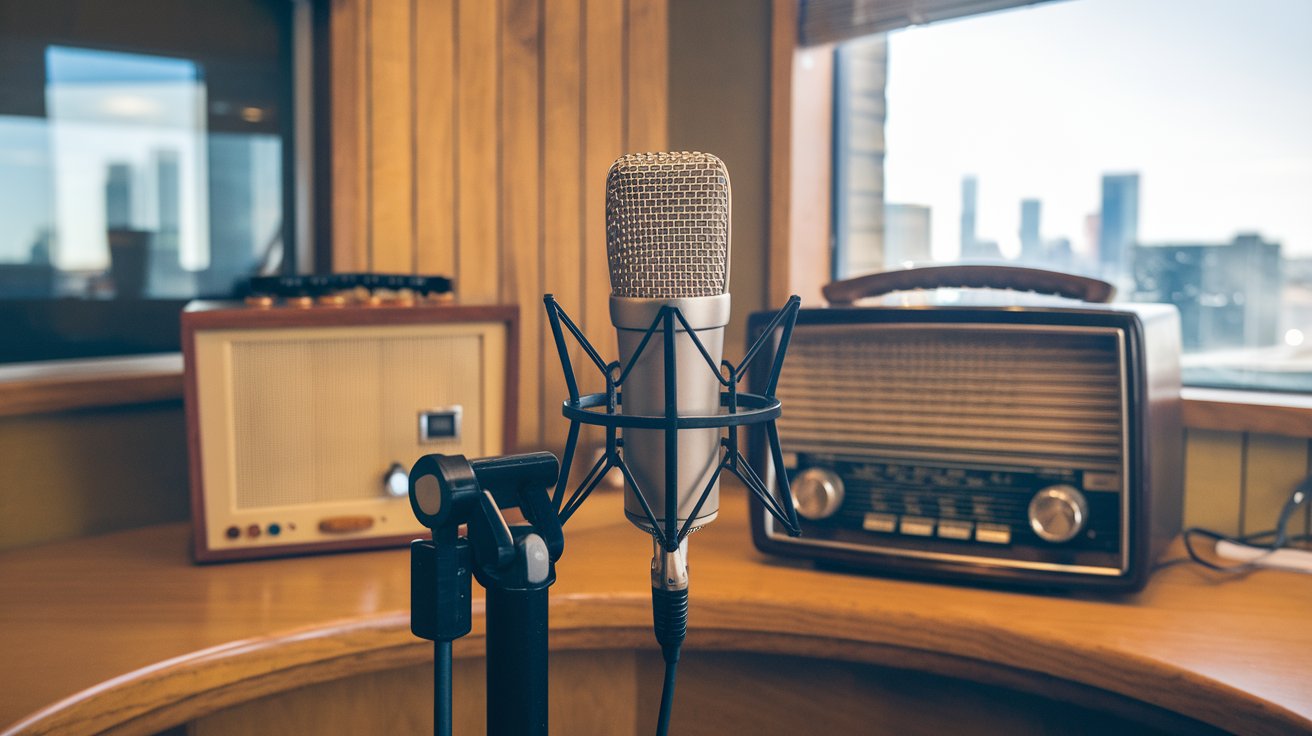
Quality audio equipment establishes professional credibility with listeners. Entry-level setups using USB microphones like the Audio-Technica AT2020USB+ ($149) or Blue Yeti ($129) deliver broadcast-quality sound without expensive audio interfaces. Professional stations invest in XLR microphones such as Shure SM7B ($399) or Electro-Voice RE20 ($449) paired with audio interfaces like Focusrite Scarlett 2i2 ($189). Closed-back headphones prevent audio feedback during live broadcasts, with reliable options starting at $60.
Your studio environment significantly affects audio quality. Basic acoustic treatment using foam panels ($50-$200) reduces echo and improves clarity. Many broadcasters start with home studios in spare bedrooms or closets, which naturally provide sound dampening. Pop filters ($10-$30) eliminate plosive sounds, while boom arms ($30-$100) position microphones optimally. Total equipment costs for professional home studios typically range from $500-$1,500. As your station grows, consider investing in mixing consoles, additional microphones for multiple hosts, and dedicated broadcast computers.
Selecting an Internet Radio Hosting Platform
Choosing the right streaming host affects audio quality, listener capacity, and operational costs. Radio hosting services provide streaming servers, bandwidth, and technical infrastructure eliminating the need for self-hosting. In 2026, leading providers include Live365 ($50-$399/month), Radio.co ($9.99-$199/month), Shoutcast ($7-$199/month), and Icecast (free self-hosted). Pricing typically correlates with simultaneous listener capacity and bandwidth allocation.
Essential hosting features include reliable 99.9% uptime guarantees, sufficient bandwidth for your audience size, mobile app integration, and listener statistics. Calculate bandwidth requirements using the formula: bitrate × simultaneous listeners × hours of streaming. A station with 100 simultaneous listeners streaming at 128kbps requires approximately 1,500GB monthly bandwidth. Most providers offer tiered plans starting at 100-500 listeners with scalability options. Consider auto-DJ features for automated broadcasting, SSL streaming for security, and HTML5 player compatibility for website embedding.
Creating Programming and Content Strategy
Developing compelling radio programming requires balancing automation with live content. Successful stations in 2026 typically broadcast 40-60% automated music programming with 40-60% live shows, interviews, and original content. Create programming blocks targeting specific listener segments throughout the day. Morning drive-time (6-10 AM) and evening commutes (4-7 PM) represent peak listening periods when live, energetic content performs best.
Your content calendar should include regular shows, special features, and seasonal programming. Most stations develop 3-5 signature shows establishing brand identity and listener loyalty. Consider partnering with guest hosts, conducting artist interviews, or featuring listener requests to increase engagement. Music stations benefit from themed programming blocks like new release spotlights, decade-specific hours, or genre deep-dives. Document all show formats, music rotations, and scheduling rules in a programming manual ensuring consistency across different hosts and time slots.
Marketing and Growing Your Internet Radio Audience
Building an internet radio audience requires multi-channel marketing emphasizing social media, SEO, and community engagement. Successful stations in 2026 maintain active presences on Instagram, Facebook, TikTok, and Twitter, sharing now-playing updates, behind-the-scenes content, and listener interactions. Creating short video clips from live shows generates shareable content attracting new listeners. Research shows stations posting 3-5 times daily across platforms achieve 280% higher growth rates than inconsistent broadcasters.
Optimize your station website for search engines by publishing blog content related to your niche, artist features, and music industry news. List your station on aggregator platforms like TuneIn, RadioGarden, and Radio-Browser reaching millions of potential listeners. Email marketing builds direct relationships with loyal fans, with successful stations collecting emails through contests, exclusive content offers, and listener clubs. Collaborate with complementary podcasters, music bloggers, and local businesses for cross-promotion. Most stations require 6-12 months of consistent marketing to reach 500-1,000 regular listeners, with organic growth accelerating thereafter.
Monetization Strategies for Internet Radio Stations
Generating revenue from your internet radio station involves multiple income streams including advertising, sponsorships, listener donations, and premium subscriptions. In 2026, successful small to medium stations earn between $500 and $5,000 monthly depending on audience size and monetization efficiency. Advertising rates for internet radio range from $18 to $50 per thousand listeners (CPM), with niche stations commanding premium rates due to targeted demographics.
Advertising and Sponsorship Opportunities
Selling advertising spots becomes viable once you reach 200-500 consistent daily listeners. Local businesses, online services, and products aligned with your audience represent ideal advertisers. Package sponsorships offering logo placement on your website, social media mentions, and on-air spots for flat monthly rates ($200-$1,000). Automated advertising platforms like RadioPublic and TargetSpot connect stations with advertisers, though they retain 30-50% commission. Direct sales to local advertisers prove more profitable for community-focused stations.
Develop media kits showcasing listener demographics, engagement statistics, and advertising packages. Most stations offer 15, 30, and 60-second spot options with frequency discounts for bulk purchases. Authentic, host-read advertisements convert 40% better than pre-recorded spots. Consider offering value-added sponsorships including event partnerships, content series sponsorships, and exclusive category partnerships preventing competitor advertising. Track advertising performance using unique discount codes or URLs demonstrating ROI to advertisers.
Listener Support and Subscription Models
Many stations supplement advertising with listener donations through platforms like Patreon, PayPal, or Buy Me a Coffee. Offering exclusive benefits encourages financial support, including ad-free streams, exclusive shows, early access to content, or merchandise discounts. Successful stations convert 2-5% of regular listeners into paying supporters. Public radio-style fundraising campaigns during specific periods generate significant revenue, with clear explanations of how support sustains operations.
Premium subscription tiers at $5-$15 monthly provide sustainable income while maintaining free access for casual listeners. Consider offering additional streams for specific genres, archived shows, or enhanced audio quality for subscribers. Platforms like Supercast and Patreon handle payment processing and subscriber management. Transparency about costs and how supporter funds are used builds trust encouraging sustained contributions. Some stations successfully combine advertising-supported free streams with ad-free premium options, maximizing revenue across listener segments.
Understanding Internet Radio Costs and Budgeting
The total cost to start an internet radio station in 2026 ranges from $1,000 to $5,000 for the first year, with ongoing monthly expenses between $100 and $500. Initial costs include equipment ($300-$1,500), music licensing setup ($500-$1,000), website development ($200-$800), and branding materials ($100-$300). Monthly expenses cover streaming hosting ($20-$150), licensing fees ($150-$400), and marketing ($50-$200). Stations can launch with minimal budgets under $500 using free software and basic equipment, though professional quality requires higher investment.
Budget allocation for sustainable operations should prioritize licensing compliance and reliable hosting, as these directly impact legal operation and listener experience. Many broadcasters underestimate licensing costs, creating legal vulnerabilities and potential shutdown. Equipment can start basic and improve gradually as revenue grows. Create financial projections accounting for 6-12 months before meaningful revenue generation. Most successful stations reinvest 40-60% of initial revenue into improved equipment, marketing, and content development. Track all expenses meticulously for potential business deductions if operating as a formal business entity.
Common Legal Pitfalls and How to Avoid Them
Understanding legal compliance prevents costly violations that shut down internet radio stations. The most common mistake involves broadcasting copyrighted music without proper licensing, resulting in cease-and-desist orders and potential lawsuits. Another frequent error involves inadequate royalty reporting to SoundExchange, incurring penalties and interest charges. In 2026, the Copyright Royalty Board actively enforces compliance, with violations averaging $5,000-$50,000 in settlements for small unlicensed stations.
Additional legal considerations include trademark infringement when naming your station, requiring searches of existing trademarks through the USPTO database. Broadcasting copyrighted content beyond music like news articles, podcasts, or audio books without permission violates copyright law. If your station accepts underwriting or advertising, ensure compliance with FTC advertising disclosure requirements. Stations featuring user-generated content or call-ins should implement broadcast delays and content policies preventing defamatory or illegal material. Consulting an entertainment attorney for initial setup ($500-$1,500) prevents expensive legal problems while establishing proper business structure and contracts.
Related video about how to start a internet radio station legally
This video complements the article information with a practical visual demonstration.
FAQ – Common Questions
Can I start my own internet radio station without a license?
You can start an internet radio station without an FCC broadcast license, but you absolutely need music licenses to legally play copyrighted music. In 2026, you must obtain licenses from SoundExchange for sound recordings and from PROs like ASCAP, BMI, and SESAC for musical compositions. These licenses cost approximately $2,000-$5,000 annually for small stations. Operating without proper music licensing exposes you to copyright infringement lawsuits with penalties up to $150,000 per violation. The only way to avoid music licensing is broadcasting exclusively original content, talk shows, or public domain music recorded before 1924.
How much does it cost to start an internet radio station in 2026?
Starting an internet radio station costs between $1,000 and $5,000 in the first year depending on quality standards. Initial expenses include basic equipment ($300-$1,500), music licensing fees ($500-$1,000 for setup), streaming hosting ($240-$1,800 annually), and website development ($200-$800). Monthly ongoing costs range from $100-$500 covering hosting, licensing, and marketing. Budget-conscious broadcasters can launch for under $500 using free broadcasting software, entry-level USB microphones, and basic streaming plans, though professional operations typically invest $2,000-$3,000 initially. Revenue generation typically begins after 6-12 months of consistent broadcasting.
Are internet radio stations profitable in the United States?
Internet radio stations can become profitable, but most require 12-24 months before generating meaningful income. In 2026, successful small to medium stations earn $500-$5,000 monthly through advertising, sponsorships, and listener support. Profitability depends on niche selection, audience size, and monetization efficiency. Stations reaching 500-1,000 daily listeners can attract local advertisers paying $200-$1,000 monthly for sponsorships. Approximately 15-20% of internet radio stations achieve consistent profitability, while many operate as passion projects or promotional tools for other businesses. Stations focused on underserved niches with engaged communities achieve higher profitability rates than generic formats competing with major streaming services.
Do I need SoundExchange if I only play talk radio?
No, you do not need a SoundExchange license for pure talk radio programming without music. SoundExchange specifically covers sound recordings of copyrighted music, so stations broadcasting only original talk content, news, interviews, or discussions avoid these licensing requirements and associated costs. This represents significant savings of $500-$2,000 annually. However, if you include any music segments, intro/outro music, or background music during talk shows, you require both SoundExchange and PRO licenses. Many talk stations use royalty-free music or original compositions to maintain musical elements without licensing costs. Always maintain clear records proving your programming contains no copyrighted music if operating without licenses.
What is the best streaming platform for new internet radio stations?
The best streaming platform depends on your budget and technical expertise, but Radio.co and Live365 lead for beginners in 2026. Radio.co offers plans starting at $9.99 monthly supporting 100 simultaneous listeners with easy setup and mobile apps. Live365 provides comprehensive solutions from $50 monthly including licensing support and monetization tools. For technical users, self-hosting with free Icecast software eliminates monthly hosting fees but requires server management skills and separate streaming server costs. Most broadcasters should choose managed hosting for reliable uptime, technical support, and scalability. Compare features including listener capacity, bandwidth allocation, statistics detail, mobile compatibility, and customer support quality when selecting providers.
How long does it take to get music licenses for internet radio?
Obtaining complete music licenses typically takes 3-6 weeks in 2026. SoundExchange applications process within 15-20 business days after submitting required station information and fee payment. ASCAP and BMI licenses usually approve within 10-15 business days through their online application systems. SESAC requires individual negotiations that may extend 2-4 weeks. You can begin the licensing process before launching your station, ensuring compliance from day one. Many broadcasters start with talk-only or public domain content while awaiting license approval. Keep confirmation emails and license numbers readily accessible, as streaming hosts may request proof of licensing. Budget at least one month for complete licensing setup to avoid rushing the process or operating illegally.
| Key Component | Requirements | Estimated Cost |
|---|---|---|
| Music Licensing | SoundExchange, ASCAP, BMI, SESAC licenses | $2,000-$5,000/year |
| Broadcasting Equipment | Microphone, headphones, computer, audio interface | $300-$1,500 one-time |
| Streaming Hosting | Reliable platform with adequate bandwidth | $20-$150/month |
| Broadcasting Software | Automation, scheduling, encoding capabilities | $0-$299/month |
| Website & Branding | Professional website, logo, social media presence | $200-$800 setup |
| Marketing Budget | Social media, advertising, promotional materials | $50-$200/month |