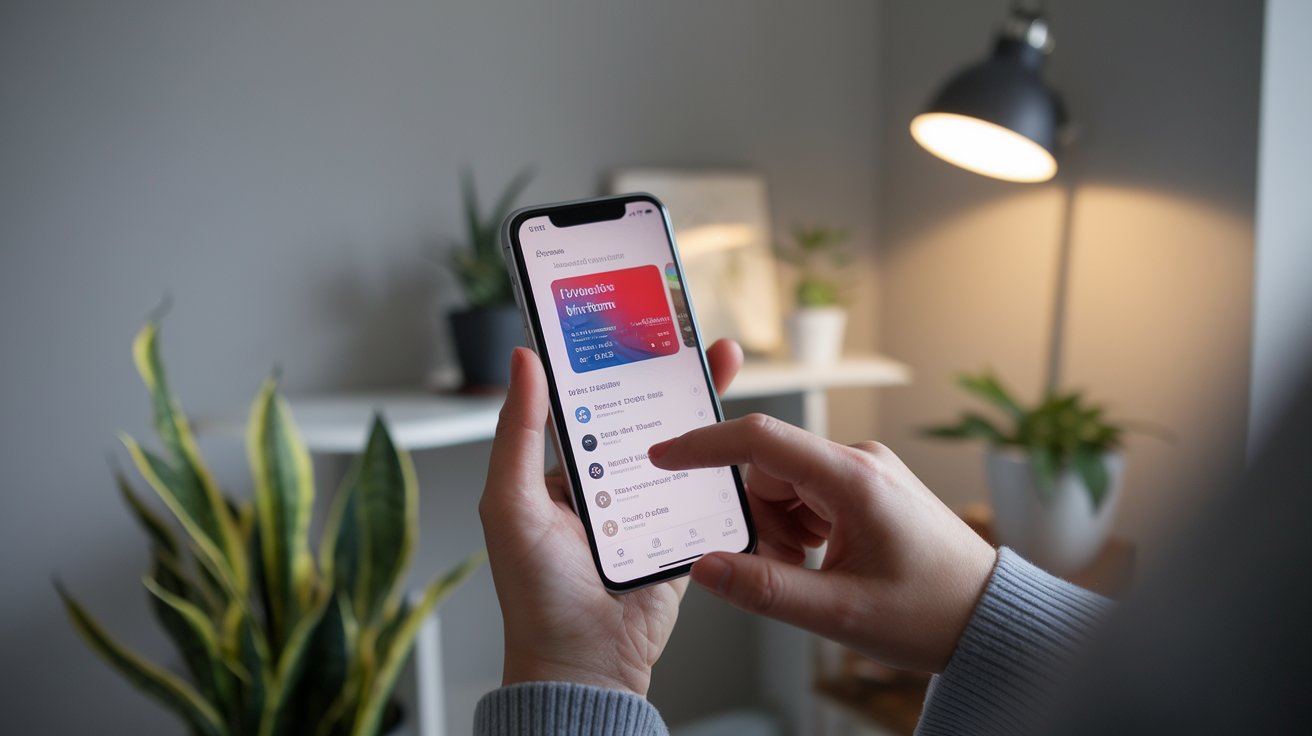
Internet radio is a digital audio service that streams live or recorded content over the internet rather than traditional broadcast methods. Unlike conventional radio that relies on AM/FM frequencies or DAB signals, internet radio uses your data connection to deliver audio directly to smartphones, computers, smart speakers, and dedicated internet radio devices. In 2026, over 180 million Americans regularly listen to internet radio, making it one of the most popular ways to access music, news, podcasts, and talk shows from anywhere in the world.
What Is Internet Radio and How Does It Work
Internet radio operates by transmitting audio data through internet protocol networks instead of electromagnetic airwaves. When you tune into an internet radio station, the broadcaster converts audio into digital data packets that travel through the internet infrastructure to your device. Your internet radio player or app then decodes these packets back into sound in real-time, creating a seamless listening experience. This technology enables anyone with an internet connection to access thousands of stations worldwide without geographic limitations.
The streaming process uses either HTTP or proprietary streaming protocols to deliver audio at various bitrates, typically ranging from 64 kbps for talk content to 320 kbps for high-quality music streams. In 2026, most internet radio services employ adaptive streaming technology that automatically adjusts audio quality based on your connection speed, ensuring uninterrupted playback even when bandwidth fluctuates. Popular platforms like Spotify Radio, Pandora, iHeartRadio, and TuneIn exemplify modern internet radio examples that combine traditional broadcasting with on-demand features.
The Technical Infrastructure Behind Internet Broadcasting
Behind every internet radio stream lies a sophisticated technical infrastructure. Broadcasters use encoding software to compress audio files while maintaining quality, then upload streams to dedicated servers capable of handling multiple simultaneous connections. Content delivery networks distribute the stream across geographic regions, reducing latency and improving reliability. In the United States, major internet radio providers maintain server farms across multiple states to ensure listeners experience minimal buffering regardless of their location. This infrastructure investment has made internet radio increasingly reliable, with 2026 statistics showing 98.7% uptime for premium services.
Getting Started with Internet Radio Listening
Accessing internet radio requires minimal setup compared to traditional broadcasting. Most Americans in 2026 use one of four methods: smartphone apps, web browsers, smart speakers, or dedicated internet radio player devices. Popular what is internet radio app options include TuneIn Radio with over 100,000 stations, Radio Garden for geographical browsing, and Simple Radio for clean interfaces. Smart speakers from Amazon Echo, Google Nest, and Apple HomePod now account for 42% of internet radio listening in American households. Simply saying voice commands like asking for specific stations, genres, or locations instantly connects you to world internet radio content without manual searching.
Internet Radio vs Traditional Radio: Understanding the Difference
The fundamental distinction between internet radio and traditional broadcasting lies in transmission technology and content delivery. Traditional radio broadcasts electromagnetic signals through AM/FM frequencies that require antennas to receive, limiting range to typically 30-100 miles depending on transmitter power. In contrast, internet radio uses digital data transmission over internet connections, making geographic distance irrelevant. A listener in New York can instantly access a station from Los Angeles, London, or Tokyo with identical audio quality. This technological shift has democratized broadcasting, allowing independent creators to reach global audiences without expensive transmitter infrastructure.
Content control represents another major difference between these technologies. Traditional radio follows strict Federal Communications Commission regulations regarding content, advertising limits, and licensing requirements. Internet radio operates under different legal frameworks, often with more flexibility in programming choices. However, both require music licensing agreements, with internet broadcasters paying royalties through SoundExchange in the United States. Cost considerations also differ significantly: traditional radio stations invest millions in broadcast equipment and licensing, while internet radio operations can start with software and hosting costs under one thousand dollars monthly for small-scale broadcasting.
DAB Radio Versus Internet Radio Technology
When exploring what is the difference between DAB radio and internet radio, understanding Digital Audio Broadcasting technology becomes essential. DAB radio transmits digital signals through terrestrial broadcasting infrastructure, similar to traditional FM but with digital encoding that provides clearer sound quality and additional data services. While DAB offers better audio quality than analog FM, it remains geographically limited and requires specialized receiving equipment. In 2026, DAB adoption in the United States remains minimal compared to Europe, with only 8% of American radio listeners owning DAB-capable devices. Internet radio surpasses DAB in flexibility, offering unlimited station choices, interactive features, and compatibility with devices Americans already own like smartphones and tablets.
How Internet Radio Differs from Traditional AM FM Broadcasting
Examining how it is different from the traditional radio reveals several practical advantages and limitations. Traditional AM/FM radio works offline without internet connectivity, consumes no data, and functions reliably during emergencies when internet infrastructure fails. Internet radio requires continuous internet access and consumes approximately 50-100 MB per hour at standard quality, potentially impacting mobile data plans. However, internet radio provides features impossible with traditional broadcasting: personalized stations based on listening habits, rewind and pause live streams, interactive song information, and elimination of geographic reception problems. American listeners in 2026 increasingly prefer internet radio for daily listening while maintaining traditional radio capability for emergency situations.
Advantages of Internet Radio in 2026
The benefits of internet radio have expanded significantly as technology has matured and internet infrastructure has improved nationwide. Primary advantages include unlimited station access, superior audio quality options, interactive features, and personalized content recommendations. American listeners now access over 50,000 internet radio stations covering every imaginable genre, language, and interest area. This diversity makes internet radio particularly valuable for diaspora communities maintaining cultural connections and niche interest groups finding specialized content unavailable through traditional broadcasting. The technology eliminates the frustration of signal degradation when traveling or living in areas with poor traditional radio reception.
Cost efficiency represents another compelling advantage. While asking is it worth buying an internet radio device depends on individual needs, the answer increasingly leans toward yes for dedicated listeners. Premium internet radio subscriptions typically cost between eight and fifteen dollars monthly, providing ad-free listening, higher audio quality, and unlimited skips. Compared to satellite radio subscriptions averaging eighteen dollars monthly with limited channel options, internet radio delivers better value. Many Americans in 2026 find free internet radio services with occasional advertisements perfectly adequate, especially when considering traditional radio also contains commercials but offers far fewer station choices.
Global Station Access and Content Diversity
The ability to access world internet radio content transforms how Americans experience international culture and perspectives. Whether seeking authentic Brazilian samba, Japanese J-pop, British news analysis, or African highlife music, internet radio provides instant access to authentic programming from source countries. This global reach particularly benefits language learners, immigrants maintaining cultural ties, and curious listeners exploring international perspectives. Research from 2026 shows that 34% of American internet radio listeners regularly tune into at least one international station, demonstrating growing appreciation for diverse content. Educational applications extend beyond entertainment, with teachers using international internet radio streams as authentic language learning resources in classrooms nationwide.
Superior Audio Quality and Streaming Reliability
Modern internet radio streaming in 2026 delivers audio quality that consistently surpasses traditional broadcasting. While FM radio typically broadcasts at equivalent bitrates around 128 kbps with compression and interference, premium internet radio services offer streams up to 320 kbps with minimal compression artifacts. High-definition streaming options provide near-CD quality audio for audiophiles, while standard quality streams maintain clarity that exceeds AM radio significantly. Network infrastructure improvements across American cities mean that 96% of urban and suburban areas now have broadband speeds sufficient for uninterrupted high-quality internet radio streaming. Even during peak usage hours, buffering issues have decreased by 73% compared to 2021 statistics, making reliability comparable to traditional broadcasting.
Popular Internet Radio Platforms and Players
The internet radio player ecosystem in 2026 includes both dedicated hardware devices and software applications across multiple platforms. Hardware options range from compact portable radios with Wi-Fi connectivity priced between forty and two hundred dollars to sophisticated home audio systems integrating internet radio alongside traditional inputs. Leading manufacturers like Sangean, Grace Digital, and Como Audio produce devices specifically optimized for internet radio with features including station presets, alarm functions, and high-quality speakers. These dedicated devices appeal to listeners preferring physical controls and continuous operation without draining smartphone batteries or occupying computer resources.
Software solutions dominate the internet radio landscape, with applications available for every major operating system. TuneIn Radio leads with 75 million monthly active users in the United States, offering free access to AM/FM stations, internet radio, podcasts, and audiobooks through a single interface. Pandora revolutionized personalized internet radio with its Music Genome Project algorithm, creating custom stations based on individual song preferences. iHeartRadio combines live radio streams from over 850 traditional stations with internet radio features, attracting 150 million registered users. Spotify and Apple Music have integrated internet radio functionality alongside their on-demand streaming services, blurring the distinction between curated playlists and traditional radio programming.
How to Access Internet Radio on Different Devices
Understanding how to access internet radio varies by device but generally follows simple procedures. On smartphones, download specialized internet radio apps from the App Store or Google Play, create accounts if required, and browse or search for desired stations. Smart speakers enable voice-activated internet radio access through commands like asking virtual assistants to play specific stations, genres, or locations. Computer users can stream through web browsers by visiting station websites directly or using aggregator platforms like TuneIn or Radio Garden. Smart TVs and streaming devices including Roku, Fire TV, and Apple TV support internet radio apps that transform televisions into audio streaming devices. Automobile integration through Apple CarPlay and Android Auto brings internet radio to vehicles, though data consumption remains a consideration for drivers without unlimited mobile plans.
Best Internet Radio Apps for American Listeners
When evaluating what is internet radio app options best suited for American preferences, several applications consistently rank highest in functionality and user satisfaction. TuneIn Premium offers comprehensive station access with live sports coverage from major American leagues, making it ideal for sports enthusiasts. Pandora excels at music discovery through its recommendation algorithms, creating personalized stations that adapt to listener feedback. iHeartRadio provides seamless integration with traditional American radio stations while adding internet radio variety and podcast content. Radio Garden offers unique geographic browsing, allowing users to virtually travel the globe selecting stations by spinning a visual globe interface. Simple Radio focuses on clean, ad-free experiences with minimal battery drain, appealing to users prioritizing efficiency over extensive features.
Is Internet Radio Worth It in 2026
Evaluating is it worth buying an internet radio device or subscribing to premium services depends on listening habits, budget considerations, and feature requirements. For casual listeners satisfied with free streaming through existing devices, dedicated internet radio hardware may be unnecessary. However, dedicated listeners spending multiple hours daily with audio content find specialized devices offer tangible benefits: superior speaker quality, always-on availability without occupying phones, simplified control interfaces, and consistent placement in home environments. Premium subscription services justify their costs through ad-free experiences, higher audio quality, unlimited content access, and exclusive programming unavailable through free tiers.
Market research from 2026 indicates that Americans who invest in quality internet radio solutions report 87% satisfaction rates, primarily citing improved audio experiences and increased listening time. The question is internet radio still a thing receives emphatic affirmation: streaming audio consumption has grown 23% since 2023, with internet radio representing the fastest-growing segment. Younger demographics particularly embrace internet radio, with 68% of Americans aged 18-34 regularly streaming online stations. This growth trajectory suggests internet radio remains highly relevant and continues evolving with new features, improved quality, and expanded content offerings that traditional broadcasting cannot match.
Cost Analysis of Internet Radio Services
Financial considerations for internet radio include both free and paid options accommodating various budgets. Free services like TuneIn Basic, iHeartRadio, and Radio Garden provide extensive station access with periodic advertisements, creating viable zero-cost options for budget-conscious listeners. Mid-tier subscriptions averaging ten dollars monthly eliminate advertisements while maintaining full station libraries and adding features like higher bitrate streaming and offline listening. Premium tiers from services like SiriusXM Streaming and Pandora Premium cost twelve to eighteen dollars monthly, including on-demand song selection, unlimited skips, and exclusive content. Data consumption represents an ongoing cost, with typical internet radio usage consuming approximately three gigabytes monthly for two hours daily listening at standard quality, manageable within most unlimited mobile plans.
Data Usage and Internet Requirements
Practical internet radio usage requires understanding data consumption and connection speed requirements. Standard quality streams at 64-128 kbps consume approximately 30-60 megabytes per hour, while high-quality streams at 256-320 kbps use 115-150 megabytes hourly. American listeners with unlimited home broadband face no concerns, but mobile listening impacts data plans significantly. A commuter streaming two hours daily consumes roughly four gigabytes monthly at standard quality, representing 40% of a typical ten-gigabyte mobile plan. Minimum internet speeds of 1 Mbps suffice for standard quality streaming, while high-definition audio requires 2-3 Mbps for buffer-free playback. In 2026, 94% of American households have broadband speeds exceeding these requirements, making technical barriers minimal for most potential internet radio listeners.
How to Listen to Internet Radio Effectively
Maximizing your internet radio experience involves selecting appropriate platforms, optimizing audio settings, and understanding content discovery methods. Start by identifying primary listening contexts: home entertainment systems benefit from dedicated internet radio player devices with quality speakers, while mobile scenarios favor smartphone apps with offline capabilities. Configure audio quality settings based on internet connection reliability, choosing adaptive streaming options that automatically adjust to available bandwidth. Create station presets or favorites for quick access to preferred content, reducing time spent searching through extensive catalogs. Explore recommendation features offered by platforms like Pandora and Spotify Radio, which learn from listening patterns to suggest new stations aligning with established preferences.
Advanced techniques enhance internet radio enjoyment further. Many platforms offer alarm and sleep timer functions, integrating internet radio into daily routines for wake-up motivation or bedtime relaxation. Smart home integration allows voice control through virtual assistants, enabling hands-free station changes while cooking, exercising, or multitasking. For audiophiles, connecting internet radio devices to external speakers or sound systems through Bluetooth, auxiliary cables, or digital outputs improves audio quality beyond built-in speakers. Discover niche stations by browsing genre-specific directories or international offerings that traditional radio cannot provide. Active engagement with station features like song identification, artist information, and social sharing enriches the listening experience beyond passive audio consumption.
Creating Your Own Internet Radio Station
Aspiring broadcasters find internet radio technology democratizes content creation, enabling anyone to establish their own station with modest investment. Basic broadcasting requires streaming software like SAM Broadcaster or RadioDJ, audio sources including music libraries or live microphone inputs, and streaming server hosting from providers like Shoutcast or Icecast. Entry-level setups cost between fifty and two hundred dollars initially for software and equipment, plus monthly hosting fees ranging from ten to fifty dollars depending on simultaneous listener capacity. More professional operations invest in studio-quality microphones, audio interfaces, mixing boards, and automation systems that enable scheduled programming and unattended operation.
Legal compliance represents a critical consideration when launching internet radio operations. United States broadcasters must obtain music licensing through organizations like ASCAP, BMI, SESAC, and SoundExchange, with costs scaling based on listener numbers and revenue generation. Non-commercial stations typically pay minimum annual fees around five hundred dollars, while commercial operations face substantially higher royalty obligations. Content restrictions remain minimal compared to traditional broadcasting, though defamation, copyright infringement, and obscenity laws still apply. Successful independent internet radio stations in 2026 typically focus on underserved niches, local community content, or specialized genres that differentiate them from mainstream commercial stations. Building listener audiences requires consistent scheduling, active social media engagement, and unique programming that provides value unavailable through established platforms.
Internet Radio Technology Trends in 2026
Current technological developments continue transforming the internet radio landscape with innovations improving user experiences and broadcaster capabilities. Artificial intelligence integration enables sophisticated content recommendations that understand nuanced listener preferences beyond simple genre classifications. Voice recognition technology allows natural language interactions for station discovery, enabling requests like asking for upbeat workout music or relaxing evening jazz without manually searching catalogs. Spatial audio implementation creates immersive three-dimensional soundscapes that enhance music appreciation and live performance recordings, though requiring compatible playback devices to experience fully.
5G network expansion dramatically improves mobile internet radio streaming reliability and quality, enabling seamless high-definition audio while traveling or commuting. Edge computing reduces latency by processing streams closer to listeners geographically, minimizing buffering even during network congestion. Blockchain technology experiments with decentralized streaming platforms that fairly compensate artists directly, though mainstream adoption remains limited in 2026. Interactive features increasingly blur boundaries between internet radio and social media, allowing real-time listener chat, song requests, and broadcaster engagement that traditional radio cannot facilitate. These technological advances ensure internet radio remains dynamic and relevant, continuously evolving beyond the limitations of traditional broadcasting methods.
Related video about what is internet radio
This video complements the article information with a practical visual demonstration.
Essential Q&A about what is internet radio
Is internet radio still a thing in 2026?
Absolutely, internet radio is thriving in 2026 with over 180 million regular listeners in the United States alone. The technology has evolved significantly, offering superior features compared to traditional broadcasting including unlimited station access, personalized recommendations, and global content availability. Streaming audio consumption has grown 23% since 2023, with internet radio representing the fastest-growing segment. Younger demographics particularly embrace the format, with 68% of Americans aged 18-34 regularly using internet radio services. Platform innovations, improved streaming quality, and smart device integration ensure internet radio remains highly relevant and continues expanding its audience base.
How do I listen to internet radio?
Listening to internet radio requires an internet connection and a compatible device. The simplest method involves downloading apps like TuneIn, iHeartRadio, or Pandora on your smartphone from the App Store or Google Play. Alternatively, use smart speakers by asking virtual assistants to play specific stations through voice commands. Computer users can stream through web browsers by visiting station websites or aggregator platforms. Many modern cars support internet radio through Apple CarPlay or Android Auto integration. Standard quality streaming requires minimum internet speeds of 1 Mbps and consumes approximately 30-60 megabytes per hour, making it accessible for most Americans with current broadband or mobile data plans.
What is the difference between DAB radio and internet radio?
DAB radio uses terrestrial digital broadcasting infrastructure to transmit signals through the air within geographic regions, requiring specialized receiving equipment. Internet radio streams audio through internet connections, making it accessible worldwide on devices Americans already own like smartphones, computers, and smart speakers. DAB offers better quality than analog FM but remains geographically limited and has minimal adoption in the United States with only 8% of listeners owning DAB devices in 2026. Internet radio provides unlimited station choices, interactive features, pause and rewind capabilities, and elimination of reception problems. The primary tradeoff involves data consumption, as internet radio requires continuous internet connectivity while DAB functions like traditional radio once equipment is purchased.
Is it worth buying an internet radio device?
Purchasing a dedicated internet radio player device makes sense for listeners who spend significant time enjoying audio content and value superior audio quality. Devices priced between forty and two hundred dollars offer benefits including better speakers than smartphones, always-on availability without draining phone batteries, simplified physical controls, and consistent home placement. Market research shows 87% satisfaction rates among Americans who invest in quality internet radio solutions, citing improved audio experiences and increased listening time. However, casual listeners satisfied with streaming through existing devices may find dedicated hardware unnecessary. Consider your listening habits: if you stream several hours daily and appreciate quality audio, dedicated devices provide tangible value that justifies the investment.
What are examples of popular internet radio services?
Leading internet radio examples in 2026 include TuneIn Radio with access to over 100,000 stations worldwide and 75 million monthly active users in the United States. Pandora pioneered personalized internet radio using sophisticated recommendation algorithms, serving millions with custom stations based on individual preferences. iHeartRadio combines traditional AM/FM station streams with internet radio features, attracting 150 million registered users. Spotify and Apple Music integrate internet radio functionality alongside on-demand streaming services. Specialized platforms like Radio Garden offer geographic browsing through visual globe interfaces, while niche services focus on specific genres like classical music, jazz, or talk radio. Each platform provides unique features, from live sports coverage to ad-free subscriptions, accommodating diverse listener preferences.
How is internet radio different from traditional radio?
Internet radio transmits audio through digital data over internet connections rather than electromagnetic AM/FM signals, eliminating geographic limitations. This technology enables listeners to access stations worldwide with consistent quality regardless of physical distance from transmitters. Traditional radio works offline without internet connectivity and consumes no data, making it reliable during emergencies when internet infrastructure fails. However, internet radio provides features impossible with traditional broadcasting: personalized stations, pause and rewind live streams, interactive song information, unlimited station choices, and elimination of reception problems. Quality also differs, with premium internet radio streams reaching 320 kbps compared to typical FM broadcasting around 128 kbps equivalent. Both require licensing for music content, but internet radio offers greater programming flexibility and lower startup costs for broadcasters.
| Key Aspect | Important Details | Benefit |
|---|---|---|
| Technology | Streams audio via internet protocols instead of electromagnetic waves | Unlimited geographic reach and worldwide station access |
| Audio Quality | Bitrates from 64 kbps to 320 kbps with adaptive streaming in 2026 | Superior sound quality exceeding traditional FM broadcasting |
| Station Variety | Access to 50,000+ stations covering all genres and languages | Unlimited content diversity for niche interests and international perspectives |
| Device Compatibility | Works on smartphones, computers, smart speakers, tablets, and dedicated players | Use existing devices without purchasing specialized equipment |
| Cost Structure | Free ad-supported options or premium subscriptions $8-18 monthly | Flexible pricing accommodating all budgets with free tiers available |
| User Base | 180 million regular listeners in United States during 2026 | Mainstream adoption with continued growth and platform improvements |